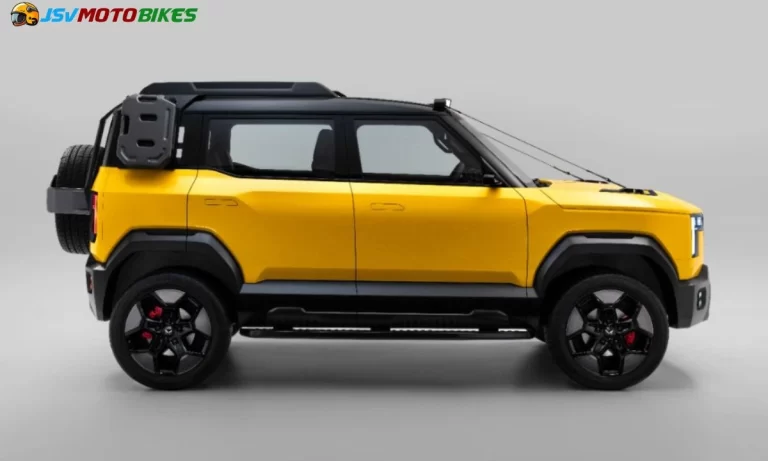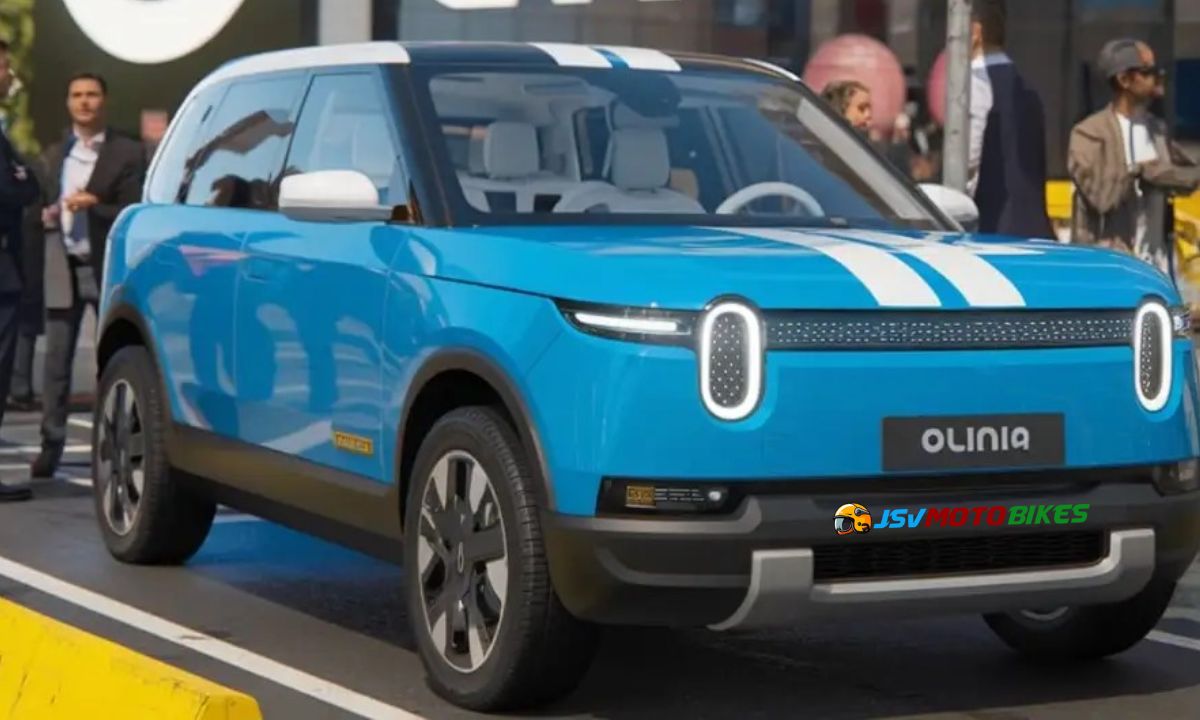
Mexico’s bold new Olinia electric vehicle project, backed by the government, is set to revolutionize urban mobility with its 2026 launch. Priced from (90,000 pesos, ~$4,500 USD), these compact EVs aim to outshine imports like the BYD Dolphin Mini and offer a safer, greener alternative to motorcycles. Unveiling at the 2026 World Cup in Mexico City, Olinia is a “Made in Mexico” game-changer. Bookings open mid-2026, with deliveries by year-end. Here’s why Olinia is creating a buzz!
Project Vision & Purpose
Named “Olinia” (meaning “movement” in Nahuatl), this initiative, led by Mexico’s Science, Humanities, Technology, and Innovation Ministry, aims to craft a fully Mexican electric car brand. With a focus on boosting the national automotive industry, Olinia targets urban commuters, young drivers, and small businesses, reducing reliance on pricier imports like Tesla and BYD, which start at 18,864.12 United States Dollar (350,000 pesos). The project promises job creation and a push for clean energy, aligning with Mexico’s 45% clean electricity goal by 2030.
Three Models for Urban Needs
Olinia will roll out three models by 2030, all built on a modular platform:
- Personal Mobility: A two-seater city car for solo commuters or young buyers.
- Neighborhood Mobility: A four-seater for families or short urban trips.
- Last-Mile Delivery: A compact van for e-commerce and logistics.
Priced between $4,851-$8,085 USD (90,000–150,000 pesos), these EVs will be Mexico’s most affordable, undercutting the SEV E-Wan Cross (₹14.5 lakh) and MG ES5 (₹12.2 lakh). Designed for 30 km daily commutes, they’ll plug into standard outlets, bypassing the need for extensive charging infrastructure.
Design & Development
Led by young researchers from the National Polytechnic Institute (IPN) and National Technological Institute of Mexico (TecNM), Olinia’s design emphasizes safety, efficiency, and simplicity. With a ₹10 crore (25 million pesos) budget for 2025, the project focuses on lithium-ion batteries and 90% local components. Production will kick off in Sonora, leveraging the state’s clean energy push, with additional plants planned in Puebla or Yucatan to cut logistics costs.
Performance & Sustainability
The Olinia EVs, likely classified as L7e micro-vehicles, prioritize low operating costs and zero emissions. While exact specs are pending, expect a 100–150 km range, ideal for urban use, with lightweight builds for efficiency. By sourcing most parts locally, Olinia aims to minimize carbon footprints and support Mexico’s automotive supply chain, a key player contributing 4% to national GDP.
Challenges Ahead
Despite the hype, Olinia faces hurdles: a tight ₹10 crore budget, an underdeveloped lithium industry, and limited public charging stations. Experts question the 2026 timeline, given the complexity of scaling production. Yet, with government and private backing, Olinia could spark a mobility revolution.
Why Olinia Excites
At 4,333.86 USD, Olinia undercuts rivals like the Hyundai Casper (23,114.72 United States Dollar) and BYD Dolphin Mini (16,758.17 United States Dollar), offering a safe, electric alternative to motorcycles. With production starting in Sonora in 2026, it’s poised to transform urban travel for millions. Book at Olinia’s website or select dealers—this Mexican EV is ready to move.